Job Hugging: The Workplace Trend Every Leader Needs to Understand in 2026

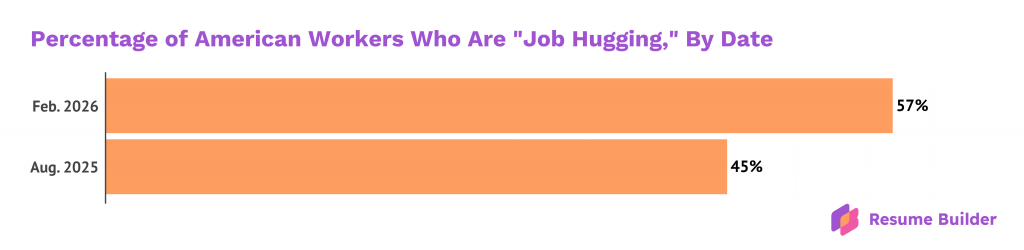
Where we once saw the Great Resignation and widespread job hopping, a new phenomenon has emerged: job hugging. And while low turnover rates might seem like a win for your organization, this trend signals something far more complex that every CEO, HR manager, and business leader must address. Job hugging describes employees who stay in their current roles not out of loyalty or satisfaction, but out of fear and economic uncertainty. These workers are clinging to their positions “for dear life,” prioritizing stability over career growth, advancement, or even workplace fulfillment. This workplace trend stands in stark contrast to the job-hopping behavior that defined career progression just a few years ago. Where employees once changed roles every one to two years in pursuit of better compensation and opportunities, today’s workers are staying put, even when they’re disengaged, unhappy, or see limited growth potential. The rate at which workers are voluntarily leaving jobs has hovered around 2% since the start of 2025, reaching levels not seen since early 2016 outside the initial COVID-19 pandemic period. Even more telling, 48% of employed workers say they’re staying in their current roles longer than they otherwise would. The job market itself has cooled considerably. The unemployment rate is at its highest in the last four years, with only 22,000 jobs added in August 2025, dramatically lower than economists’ predictions. The average job search now takes over five months for an unemployed worker, making the risk of leaving a current position feel even more daunting. Rising costs of living, economic volatility, and policy uncertainty have created a perfect storm of anxiety. Over half of Americans say the cost of groceries is a major stress in their lives, making steady paychecks and employer-sponsored benefits like healthcare and retirement plans increasingly valuable. Nearly two million job seekers are still struggling to find a job after more than 27 weeks. When finding new employment takes months and opportunities are scarce, employees naturally become more risk-averse about leaving their current positions. Many fear that their jobs could be replaced in the future and that AI will reduce the number of new job openings, adding another layer of uncertainty to an already complex decision about career moves. CEO turnover rates have reached their highest in decades, with departures jumping 12% from June 2024 to June 2025. When employees experience multiple leadership changes in short periods, it creates additional discomfort and disconnection from their organization’s vision. While retention might look strong on paper, job hugging creates serious challenges that forward-thinking leaders must address: Decreased Engagement and Productivity: Job hugging doesn’t stem from high job satisfaction or loyalty. Instead, it reflects survival mode. The productivity dip resulting from employee disengagement cost the global economy $438 billion in 2024. The Rise of “Quiet Cracking”: Job huggers who feel stuck often mentally check out, leading to what experts call “quiet cracking”. Employees are reaching a breaking point while still physically present. Warning signals include increased absenteeism, decreased job satisfaction, declining engagement, and employee burnout. Stagnant Skill Development: When employees aren’t motivated to grow or challenged in their roles, their skills stop developing. This creates a workforce that may be present but not advancing, limiting your organization’s competitive edge and innovation capacity. The Pending Exodus: Experts predict another Great Resignation is coming, driven by pent-up demand from employees who’ve been waiting for better opportunities. Invest in Your Top Performers: Giving competitive pay increases and promotional opportunities to deserving employees is a good place to start. Don’t assume that because the job market is tight, your best people will stay regardless of how you treat them. Recognize and reward excellence now to build true loyalty. Create Genuine Growth Opportunities: Provide clear pathways for advancement, skill development, and career progression. When employees see forward motion and opportunity within your organization, they’re less likely to leave when the market improves and more likely to contribute meaningfully while they’re with you. Listen and Act on Employee Feedback: Conducting employee engagement surveys and following up with focus groups or stay interviews can be effective techniques for gaining insight. More importantly, utilizing the information gathered to make decisions and implement changes to policies, processes, and benefits has an even higher return on investment. Communicate Transparently: Openly communicating about the economic climate, the job market, and the impact of AI on your business can relieve some of the anxiety your employees might feel. Transparency builds trust, and trust is the foundation of genuine retention. Focus on Connection and Purpose: With some roles remaining remote and organizational changes creating distance, double down on communication between management and employees. Help your team understand how their work contributes to organizational success and create opportunities for meaningful connection. More than half (59%) of workers believe job hugging is more prevalent in 2025 than a year ago, and 63% expect the trend to grow even stronger by 2026. This isn’t a temporary blip, it’s the current reality of the labor market. A February 2026 survey from ResumeBuilder.com reveals that the percentage of workers identifying as “job huggers” has surged from 45% in August 2025 to 57% in February 2026. Forward-thinking leaders are using this time wisely. They’re identifying which employees are truly engaged versus which are simply waiting out the market. They’re investing in development, improving culture, and building the kind of employment experience that creates genuine loyalty. When the job market does improve, and it will, your organization will face a choice that’s already been made: either you’ll lose disengaged job huggers who were never truly committed, or you’ll retain and promote engaged employees who chose to stay because you gave them real reasons to do so.What Is Job Hugging?
The Numbers Behind the Trend
Why Employees Are Job Hugging
1. Economic Uncertainty and Inflation
2. Weakened Job Market Confidence
3. AI Anxiety
4. Leadership Instability
The Hidden Costs of Job Hugging for Your Organization
Strategic Responses for Leadership Teams
Looking Ahead: Prepare for What’s Next
More About Park Avenue Group
Discover how Park Avenue Group rises above the competition, delivering unparalleled solutions and top-tier candidates that allow your business to succeed.